Decorate Me Themes Tier List
Which prompt types are easy wins, which punish clutter, and how to score them.
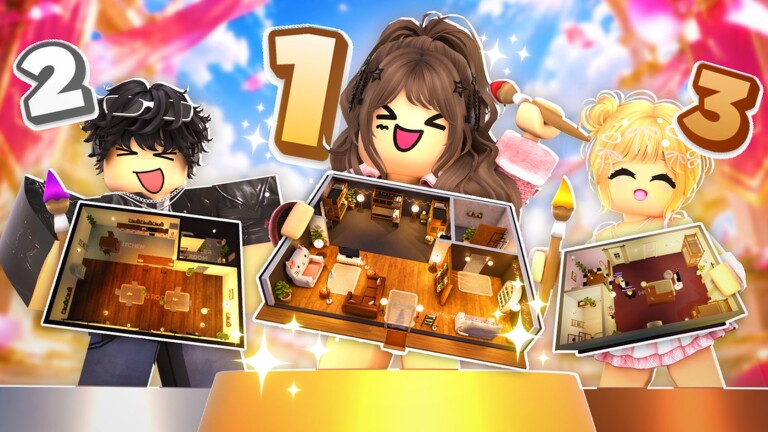
This Themes Tier List ranks prompt types in Decorate Me! by difficulty and scoring reliability. You decorate a home to a theme, then other players vote. With a maximum of eight players online per server and a growing catalog of weekly decor, reading the prompt correctly matters as much as owning rare furniture. Use this page with the Tier List Hub, Decor Items, Themes Guide, Voting Tips, and the Theme Checklist.
Ranks here describe theme types, not one-off titles. When Halloween 2026 adds a special theme, we slot it under Seasonal / Event. When a weekly prompt says “cozy loft—or “pink bedroom,—we map it to Cozy / Soft Aesthetic.
S-tier themes —high clarity, friendly to clean layouts
Cozy living and bedroom prompts sit in S for most players. Keywords like cozy, comfy, soft, bedroom, and living room map cleanly to sofas, beds, rugs, and warm lamps. Voters recognize the story instantly. Lead with an S-tier seating or bed anchor, add tall light, then stop clutter early.
Clean luxury / elegant prompts also trend S if you own mirrors, pendants, and restrained palettes. The trap is over-decorating: luxury reads as negative space plus one hero piece, not fifty gold trinkets. Scoring tip: pick one metal accent color and repeat it three times max.
Why these are S: even newer players finishing Getting Started can produce a readable room before the timer ends.
A-tier themes —strong if you respect the brief
Color-locked aesthetics (all pink, monochrome, pastel only) are A. They reward inventory depth and punish random multicolor spam. Build a palette first, furniture second. Echo the key color on rug, art, and one seating piece.
Kitchen / dining / study functional rooms are A. They need a clear work surface or table hierarchy. Without a hero table or desk, the room looks like storage. Place the functional anchor on the camera-facing axis, then add chairs and wall tools.
Kids / playful themes are A when you control chaos. Bright props help, but one playful focal wall beats a toy explosion. Use height variation so the vote camera sees layers, not a flat mess.
B-tier themes —situational and easy to overthink
Abstract vibe prompts (“main character energy,—“soft launch,—“delulu era— land in B. They are fun but subjective. Translate the vibe into concrete nouns: lighting mood, color temperature, and one symbolic prop. The themes guide helps decode slangy briefs.
Outdoor-ish or mixed indoor courtyard prompts can be B depending on available pieces. If your catalog is indoor-heavy, imply outdoors with plants, lanterns, and open floor rather than fighting for missing patio sets.
Maximalist / cluttercore is B for scoring consistency. Skilled players can win, but many lobbies still reward readable focal points. If you go maximalist, keep a bright empty lane toward the hero object so votes can parse the story.
C-tier themes —high variance, easy to misread
Ultra-niche meme themes and conflicting keyword soups sit in C for reliability. You might ace them with a joke the lobby loves, or miss entirely if voters expected literal decor. Decide early: play the joke boldly or pivot to the safest literal reading.
Special event themes without practice also start C for newcomers, even if veterans treat them as A. The Halloween 2026 special theme rewards spooky silhouettes, orange-black-purple palettes, and event props—but only if lighting keeps faces of furniture readable. Darkness without contrast loses votes.
Scoring tips by theme family
Cozy / Soft: Warm lights, plush seating, limited palette, soft rug. Avoid cold white spam.
Luxury / Elegant: Symmetry, tall lighting, mirror or art focal, empty floor path.
Seasonal / Halloween: One hero spooky prop, supporting color echo, candles or lanterns, do not black-out the room.
Functional rooms: Name the activity with the largest prop first (bed, stove zone, desk), then decorate around it.
Abstract vibes: Convert adjectives into three nouns before placing anything. Example: “dreamy——sheer curtains, cool lamp, low bed.
Always run the mental theme checklist: lighting, focal point, theme keywords, clutter cap, color harmony. Submit a clean A attempt over a late unfinished S attempt.
Difficulty versus fun
S themes are not “boring”—they are where you practice podium habits. Use them to refine camera-facing composition from how to win and controls. Push into A and B themes when climbing Design Elite and you need differentiation.
Watch the Updates Hub for new special themes tied to weekly decor. Redeem codes when drops include theme-friendly freebies. Browse scripts only with caution; composition skill scales safer than risky tools.
How to practice theme reading
- Write the prompt’s three strongest keywords.
- Map each keyword to one prop category (seat, light, wall).
- Build the triangle, photograph with your eye at vote height, then edit.
- Note whether voters reward literal or vibe readings in that lobby.
Screenshot wins and losses. Over a week you will see which theme families you personally play at S versus C. Adjust your inventory priorities on the decor items list accordingly.
Themes decide the assignment; items are the vocabulary. Keep both lists open until translating prompts into rooms feels automatic, then push for consistent votes on the Players Hub climb.
Frequently Asked Questions
Quick answers about decorating, voting, codes, and Design Elite.
What is an S-tier theme in Decorate Me?
A prompt type with clear nouns and friendly layouts—typically cozy living/bedroom or clean luxury—where most players can produce a readable room quickly.
Why are abstract vibe themes ranked lower?
They are subjective. Without translating vibes into concrete props and lighting, rooms look unfinished or mismatched to voters.
How should I handle Halloween or other special themes?
Use event props as the hero, keep contrast so the room is not pure black, and echo a short seasonal palette. Practice once before chasing Design Elite points.
Does theme difficulty change with new weekly decor?
Yes. New pieces can make a former C theme easier if they match common prompts. Recheck after updates and event patches.
What page helps most right before submitting?
The theme checklist covers lighting, focal point, keywords, clutter, and color harmony in one pre-submit pass.