Decorate Me Themes Guide
Turn every prompt into a fast color, silhouette, and cue-prop plan voters can read instantly.
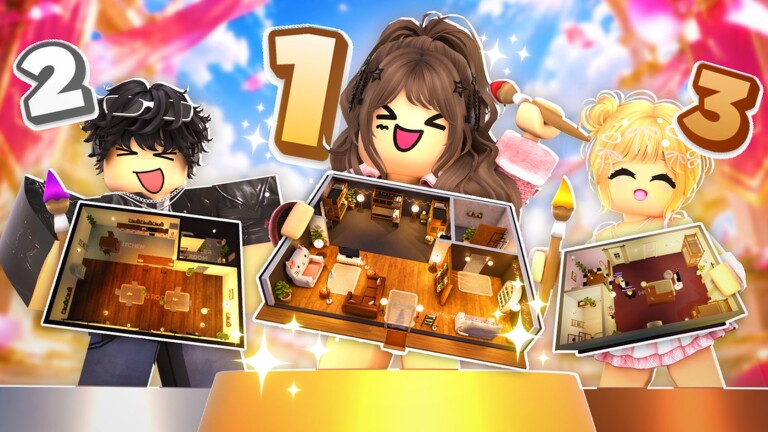
Themes are the heart of Decorate Me!. Every round asks you to answer a prompt with furniture, color, and layout — then the lobby votes on how clearly you answered. Players lose more rounds from muddy theme reads than from missing rare items. This guide teaches a repeatable way to decode prompts, pick a style plan in seconds, and avoid the clutter that hides your idea. Use it with How to Win Design Rounds, keep the theme checklist nearby, and cross-check hard prompts on the themes tier list.
The three-part theme decode
When the banner appears, break the prompt into three parts:
- Setting — Where are we? Cabin, apartment, beach club, haunted parlor, student dorm.
- Mood — How should it feel? Cozy, luxurious, spooky, playful, minimal, chaotic fun.
- Must-see cue — What object or color would prove the theme in one glance?
Write those three answers mentally before you open the catalog. Example: “Autumn reading nook” becomes setting = small indoor corner, mood = warm and quiet, cue = books plus warm lamp. “Neon arcade den” becomes setting = entertainment room, mood = loud and electric, cue = neon light and game seating. If you cannot name a cue, the lobby probably cannot either.
Prompt types you will see often
Literal places. Beach house, mountain lodge, city loft. Lean on materials and big shapes first: sand tones and open space for beach, wood and stone for lodge, clean lines for loft.
Mood-first prompts. Cozy, elegant, spooky, dreamcore. Choose palette and lighting before props. Mood prompts punish random color noise.
Hobby or lifestyle prompts. Gamer room, artist studio, bakery kitchen. One hero activity prop should dominate the focal view.
Seasonal and event prompts. Packs like Halloween 2026 add special themes and limited decor. Use event props as cues, not as wallpaper on every surface. Two pumpkins and good lighting often beat twelve scattered spooky items.
Color or constraint prompts. “All blue,” “monochrome,” “no clutter.” Obey the constraint aggressively. Voters notice rule-breaking faster than clever extras.
Track weekly catalog changes on Updates so you know when new furniture makes a prompt easier.
Build a style card in under thirty seconds
For every theme, invent a tiny style card:
- Primary color (about 60% of visible surfaces)
- Support color (about 30%)
- Accent color (about 10%)
- Main material (wood, metal, fabric, stone, plastic gloss)
- Hero prop (the must-see cue)
- Forbidden vibe (what you will refuse to place)
Example style card for a rainy-day cafe theme: primary cream, support walnut, accent soft green, material warm wood, hero prop pastry counter or coffee bar, forbidden vibe neon cyberpunk. Having a forbidden vibe stops catalog tourism. If an item fails the card, skip it.
Silhouette before accessories
Voters see big shapes first. Match the room silhouette to the setting:
- Living social themes need conversation clusters
- Sleep themes need a clear bed axis
- Work themes need a desk or station facing a logical view
- Party themes need open floor plus a stage-like focal wall
Accessories come after silhouette. A perfect candle collection cannot save a room that still looks like an empty box. Placement speed from Controls matters here: the faster you drop anchors, the more time you keep for cues.
Color mistakes that kill theme reads
- Using every bright color because each piece looked cute alone
- Mixing warm wood with cold blue chrome without a bridge color
- Hiding the accent color so well that the room feels unfinished
- Matching the prompt name in text props while ignoring palette
If your room looks expensive but could fit five different themes, you have a cohesion problem, not a budget problem. Strip accents until only one story remains.
Using tier lists without becoming dependent
The themes tier list helps you know which prompts are awkward or highly contested. The decor items tier list helps you prioritize what to unlock for common settings. Neither list replaces a live style card. During the timer, trust your decode. Between sessions, shop and unlock with tier advice, Codes, and how to redeem when free rewards appear.
Event themes and weekly decor
Weekly decor drops change what is easy to source. After each drop, replay two rounds of your weakest prompt types and see whether new pieces improve your cue options. Seasonal pages such as Halloween 2026 are useful because they list the special theme energy and limited props you should practice before the lobby fills with event spam.
Practice drills
- Ten-second decode: For any prompt, speak setting, mood, and cue before touching furniture.
- Palette only: Build a round using only three colors, no exceptions.
- One-cue room: Allow yourself a single hero prop and win on layout.
- Doorway test: After placing, look from the entry angle only. If the theme is unclear, fix that view first.
New players should combine these drills with Getting Started. Competitive players should fold them into the timeline in How to Win Design Rounds. When you vote, use the same decode on other rooms — that habit is covered in Voting Tips and raises your eye for clarity.
Related pages for theme mastery
- Theme checklist tool for live reminders
- Tools hub for other helpers
- Players and Design Elite for community examples of clear theme reads
- Scripts if you need safety notes before trying third-party helpers
- Guides Hub to jump between sibling tutorials
Clear themes are a skill you can train. Decode fast, lock a style card, build silhouette, add one strong cue, and protect negative space. Do that every round and voters will understand your answer before they understand anyone else’s clutter.
Frequently Asked Questions
Quick answers about decorating, voting, codes, and Design Elite.
What if the theme is vague or abstract?
Invent one concrete story that still fits the words. Commit to setting, mood, and a single cue prop. Vague prompts punish players who place unrelated cute items.
How many theme props should I place?
Usually one to three strong cues. Extra props only help if they share your palette and do not block the doorway view.
Should I memorize every possible theme?
No. Memorize the decode method: setting, mood, cue. New weekly and event themes still fall into those buckets.
Where do seasonal themes fit?
Treat them like mood-plus-cue prompts. Use limited event decor as proof of the theme, then keep layout clean. See Halloween 2026 for a current example.
How does this connect to Design Elite?
Elite climbs come from consistent clear reads. Theme skill raises your average placement more reliably than chasing one viral room.